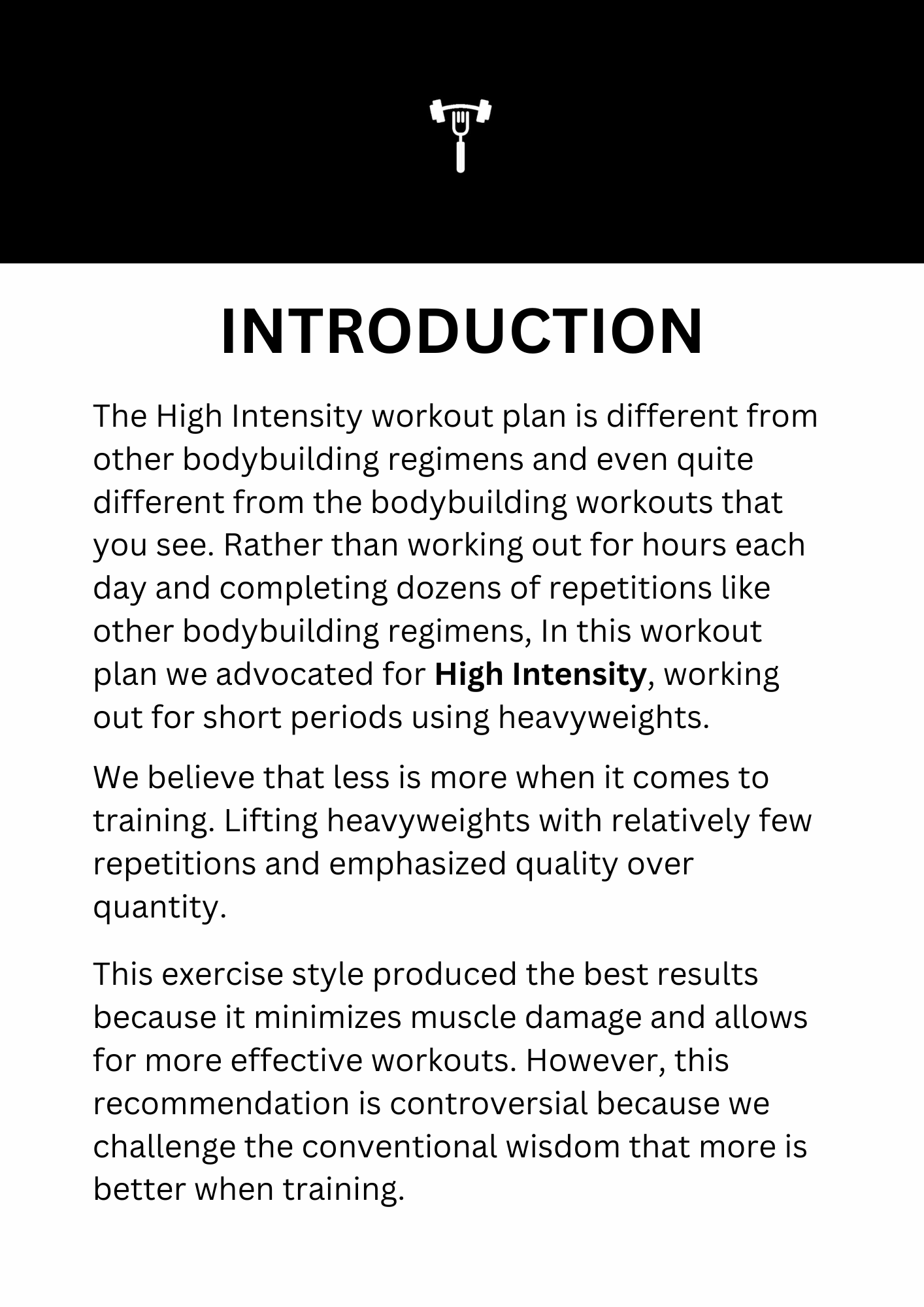
Mike Mentzer's training methods have revolutionized the bodybuilding landscape by focusing on high-intensity, low-volume workouts that maximize muscle growth. If you've been struggling to see results from traditional training regimes, understanding the principles of Mentzer’s Heavy Duty method could be the game-changer you need. This article delves into the seven core principles of Mentzer's philosophy and the benefits they provide for building muscle effectively.
1. Introduction to Mike Mentzer's Training Methods
Born in 1951, Mike Mentzer was a bodybuilding pioneer who challenged the conventional wisdom of his time. His approach, known as Heavy Duty, emphasized short but intense workouts, prioritizing quality over quantity. This method was in stark contrast to the popular high-volume training routines of the 1970s that often left bodybuilders fatigued and overtrained.
The Genesis of Heavy Duty
Mentzer's philosophy was influenced significantly by his mentor, Arthur Jones, the inventor of Nautilus machines, who advocated for high-intensity training. The core idea was that muscle growth is primarily stimulated by the effort exerted during workouts rather than the amount of time spent training.
2. The Seven Principles of Mike Mentzer's Training Methods
The primary framework of Mentzer's strategy is encapsulated in seven key principles that define his training methodology. Understanding these principles can help athletes tailor their workouts for optimal results.
1. High Intensity
At the heart of Mentzer's approach is the concept of training to failure. This means pushing your muscles to their absolute limit during each set, which he believed was essential for stimulating muscle growth. According to Mentzer, "The single most important factor in increasing size and strength is carrying a set to the point where you are forced to utilize 100% of your momentary muscular ability." This philosophy encourages lifters to focus on fewer sets but with full dedication.
- Maximize effort: Always aim to lift until failure.
- Tune into your body: Recognize your maximum limit per set.
2. Low Volume
Mentzer argued that less is more when it comes to workout volume. Instead of performing numerous sets, he advocated for doing just one or two sets per exercise taken to failure. This focus on minimal volume is designed to ensure that each workout remains efficient while still providing sufficient stimulus for muscle growth.
3. Infrequent Training
Another cornerstone of Mentzer's methods is training individual muscle groups infrequently. Mentzer recommended spacing workouts several days apart, allowing adequate recovery for muscle repair and growth. This principle counters traditional methods where bodybuilders often trained the same muscle groups multiple times a week.
4. Progressive Overload
Mentzer emphasized the need for continual progression in training. As muscles adapt, it’s essential to increase the weights or the number of repetitions regularly. This can be achieved through methods like:
- Increasing the weight lifted as strength improves.
- Adding repetitions with the same weight until reaching a plateau.
5. Strict Exercise Technique
Maintaining strict form during exercises is crucial in Mentzer's methodology. He believed losing proper technique leads to injury and reduces the efficacy of the workouts. A steady, controlled tempo should be executed, ensuring that lifters are maximizing their muscle engagement.
6. Recovery and Nutrition
Mentzer placed significant emphasis on recovery as peace and nourishment. He advised that optimal nutrition should accompany training to facilitate healing and growth. This includes consuming sufficient calories, particularly focusing on proteins, for muscle recovery, along with proper hydration and sleep.
7. Individualization
Understanding that each body is different, Mentzer encouraged individualization in training plans. Adjusting routines based on personal recovery abilities, goals, and physical condition can lead to better results while avoiding the risk of overtraining.
3. Key Benefits of Mike Mentzer's Training Methods
Adopting Mike Mentzer’s Heavy Duty method can bring numerous benefits:
- Time Efficiency: Short, focused workouts allow you to fit training into busy schedules while still pushing to your limits.
- Faster Recovery: Infrequent but intense sessions lead to better recovery, reducing the risk of burnout.
- Enhanced Muscle Growth: By maximizing intensity, you stimulate muscle fibers more effectively, promoting hypertrophy.
- Clear Progress Tracking: Fewer exercises and sets make it easier to monitor strength gains and adjust training loads.
4. How to Implement Mike Mentzer’s Methods
If you're looking to incorporate Mentzer's strategies into your routine, consider starting with three full-body workouts each week. Each session can be structured to include a few key compound exercises, ensuring a focus on high intensity and proper form. Here’s a sample workout:
- Bench Press: 1 set to failure
- Deadlifts: 1 set to failure
- Squats: 1 set to failure
- Dumbbell Rows: 1 set to failure
Be sure to include warm-up sets before pushing to your limit.
5. Common Misconceptions About Mike Mentzer's Training Methods
Despite the solid foundation of Mentzer’s principles, there are common misconceptions that may hinder understanding:
- High-Intensity Equals Risk: Some fear that high intensity leads to injury. However, proper form and controlled movements significantly reduce this risk.
- It’s Only for Experienced Lifters: While it can seem demanding, beginners can adopt a modified version that emphasizes lower weights and higher reps initially.
6. Conclusion
Mike Mentzer's training methods have fundamentally transformed approaches to bodybuilding by advocating for intensity, recovery, and individualization. Whether you're an experienced lifter or just starting your fitness journey, understanding and incorporating these key principles of Mentzer's philosophy can significantly enhance your workout results. Explore more about Mike Mentzer's training methods and consider how you can apply them to achieve your personal fitness goals.